











Microlot 05.24
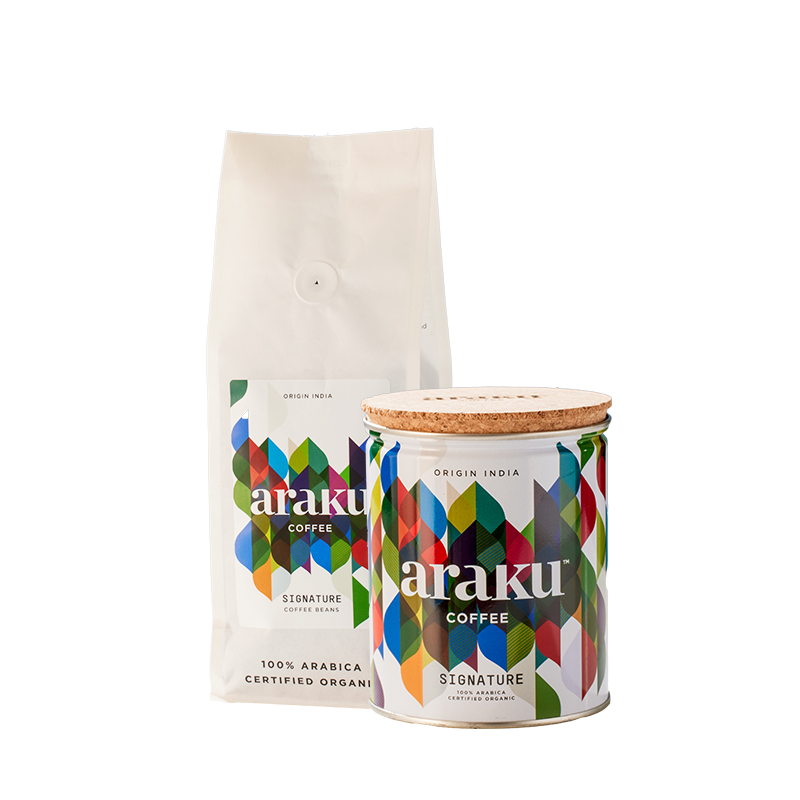
A coffee with glorious floral undertones from Gummaguda, with a cupping score of 86. It originates from a lush terroir rich in ancient silver oaks and wild mango trees, imparting a unique character to the coffees from this region. It’s an ideal example of Arakunomics in a cup! Residents of this village – including the producers, Simalu & Pangi Budhranna – are part of one of the largest fairtrade and organic certified coffee cooperatives in the world, with over 30,200 registered farmers. The cooperative has been crucial in aggregating farmers by giving them shared value and complete autonomy over the produce.
Not sure which grind to order? Check out the grind size chart below to match it with your brewing equipment!
Cacao

Dark cherry

Pineapple

Candy
Grind Guide
Picking the best grind for your coffee brew
-

Very Fine
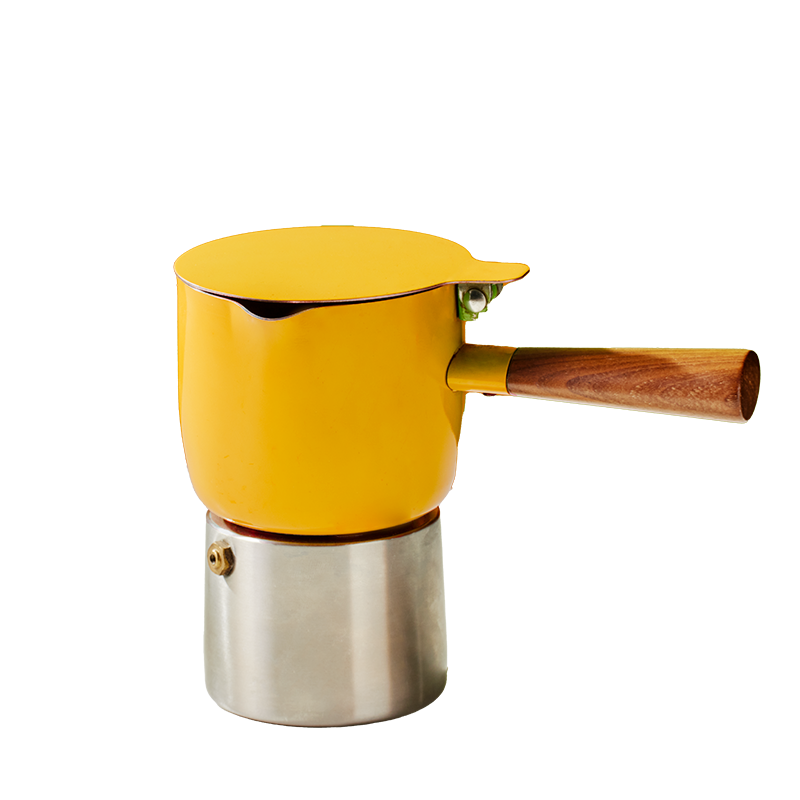
Araku Moka Pot
-

Fine
Aeropress, Espresso, Indian Filter, other Moka Pots
-

Medium
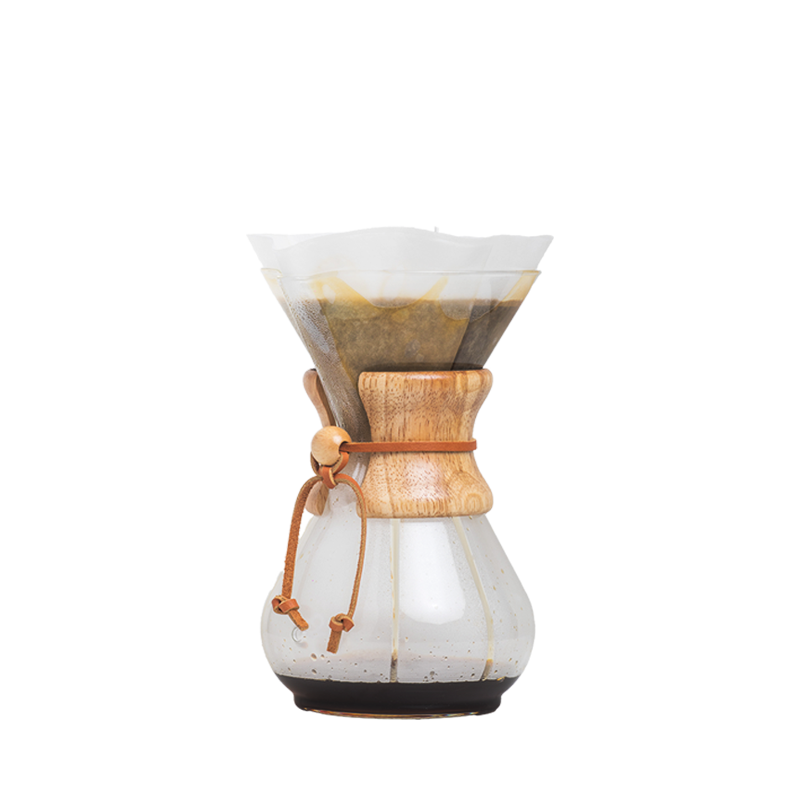
Chemex, V60
-

Coarse
French Press, Cold Brew
-

Whole beans
You’re the best judge here!
Grind Size
Size



Know your coffee
100% Arabica, Small Batch
Arakunomics is an integrated economic model designed to empower small and marginal tribal farmers in the Araku Valley of Andhra Pradesh, India, primarily through the Small and Marginal Tribal Farmers Mutually Aided Cooperative Society (SAMTFMACS). This model, developed by the Naandi Foundation, focuses on sustainable agricultural practices, fair trade, and cooperative management to enhance the livelihoods of tribal farmers. Since its inception in 2007, SAMTFMACS has grown steadily and is arguably one of the largest fairtrade and organic certified coffee cooperatives in the world, with over 30,200 registered farmers as of 2024.
Arakunomics promotes regenerative agriculture, which improves soil health and biodiversity while ensuring sustainable crop yields. Farmers are trained in organic farming techniques and bio-composting using locally available materials. While coffee is a primary crop, the model encourages farmers to diversify their production, including the cultivation of indigenous fruit and timber trees. This not only enhances income but also contributes to ecological restoration.
The community of Gummaguda joined the SAMTFMACS fold in 2008. Today, they produce paddy crops, chilli, tomatoes, carrots, maize and pumpkin for local consumption. While coffee, ginger, black pepper, turmeric, carrot, cabbage, and rajma are earmarked commercially produced crops.
Process
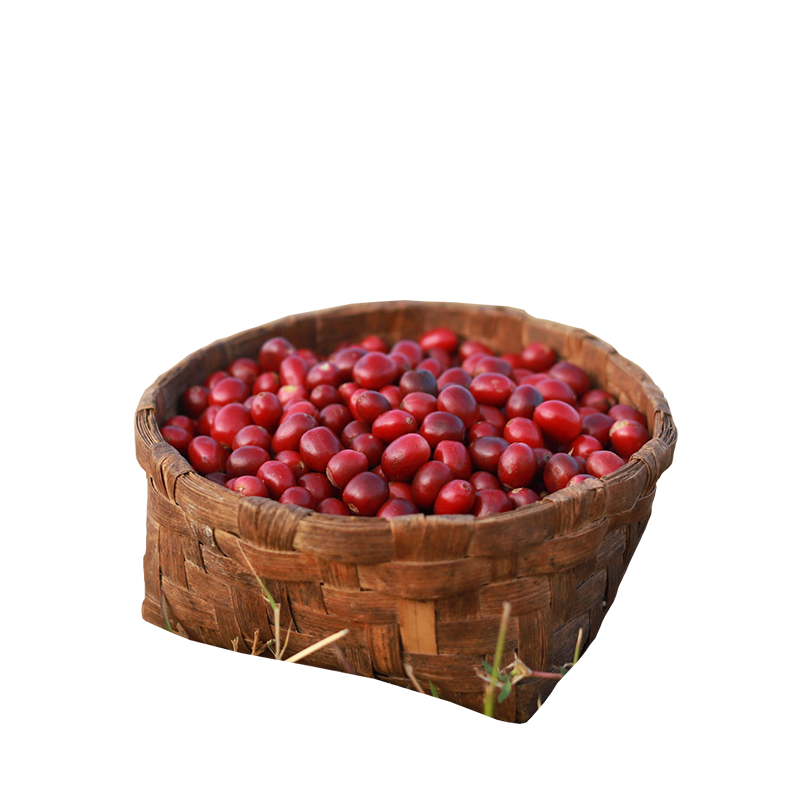
Natural
Process
Terroir
Gummaguda
Farmer Diary
Pangi Budhranna and Simalu
Transparency

Pangi Budhranna and Simalu